 Cameron Armstrong
In 370 BC, Socrates argued that writing would destroy human memory.
If people stored knowledge outside their heads, they'd stop thinking for themselves. They'd carry the appearance of wisdom without the reality of it.
He was wrong. And he's had company ever since.
In 1877, the New York Times attacked the telephone as an invasion of privacy. In 1926, newspapers warned radio was ruining children's health. In 1946, the head of 20th Century Fox said television wouldn't hold an audience for more than six months.
Every generation meets new technology with the same fear: this will make us less human.
Almost every time, they're wrong. But the technologies that actually endured didn't succeed because they were powerful. They succeeded because someone asked what they were for.
In 1943, a three-year-old asked her dad why she couldn't see the photo he'd just taken of her.
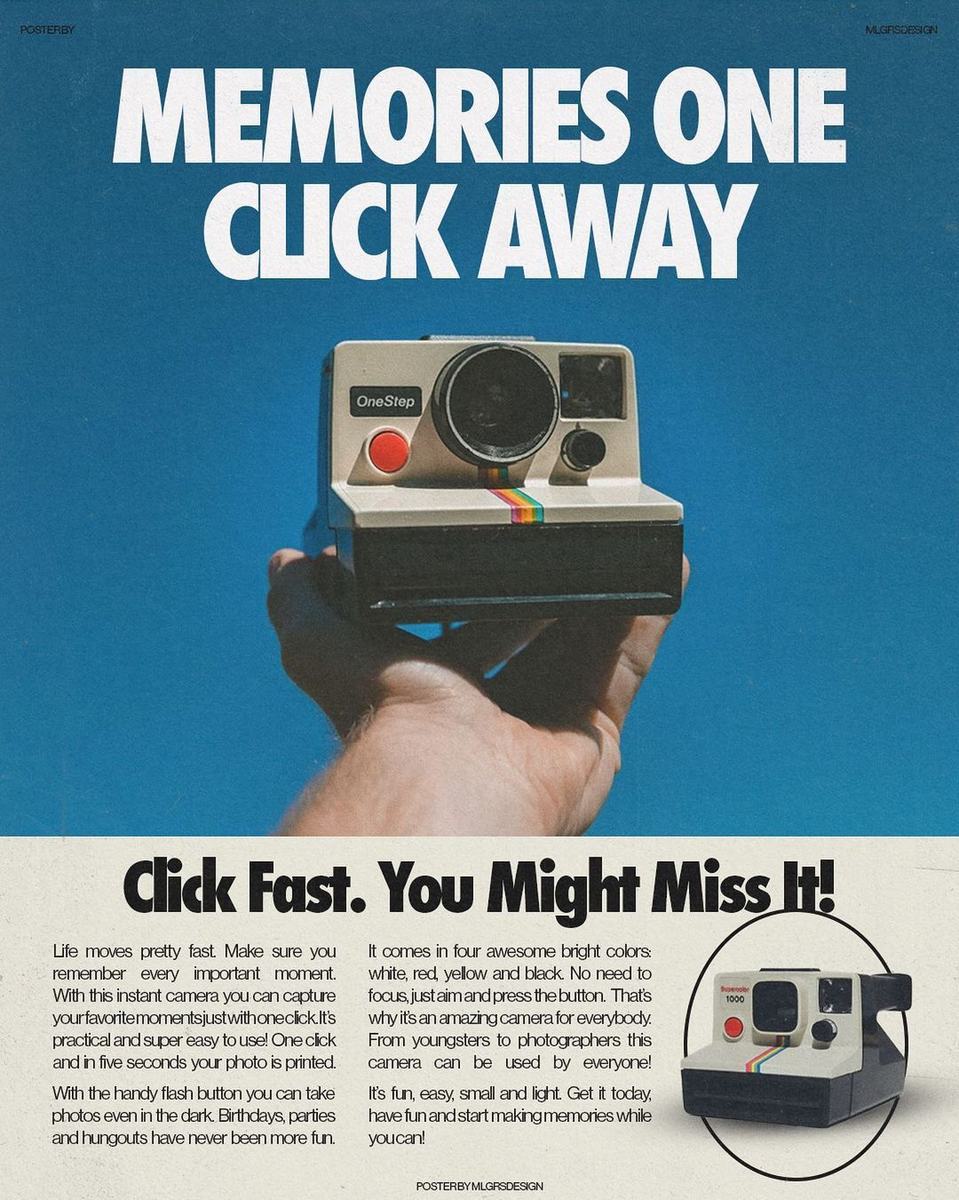
Edwin Land was on holiday with his daughter Jennifer. She didn't care about optics. She wanted to see her own face. He went for a walk. Within an hour he'd mapped the entire concept for instant photography. The camera. The film. The chemistry.
Not from a brief. From a feeling.
That became Polaroid. 535 patents. A billion photos a year. Steve Jobs called Land a national treasure and modelled Apple after what he built. Land's philosophy was one line: the role of industry is to sense a deep human need, then bring science and technology to bear on filling it.
Socrates asked what technology would take from us. Land asked what it could give back.
We're asking the same questions now. And the line has never been thinner.
We can use AI to kill four hours of admin so you can actually show up to the dinner you had booked. Or we can use it to generate a million pieces of content nobody asked for. Same tools. Completely different intent.
Some of the people building these platforms talk about engagement metrics in board meetings and limit their own kids to ninety minutes of screen time a week. They're not confused about the effects.
Land imagined the camera as part of the human being. An extension of your memory, not a replacement for your attention. He wanted Polaroid to stand at the intersection of art and science. Jobs wanted the same for Apple. Both understood that the best technology doesn't demand your attention. It returns you to yourself.
I use AI every day to build things I couldn't have imagined two years ago. I also co-founded Firepit, where our success metric is the opposite of Silicon Valley's. Less time on the app. More time in real conversation.
Socrates was wrong about writing. But he was asking the right question. What does this do to us?
The answer depends entirely on what we build it for...