 Cameron Armstrong
The biggest TV channel in America isn't a TV channel.
It's YouTube. Six months running.
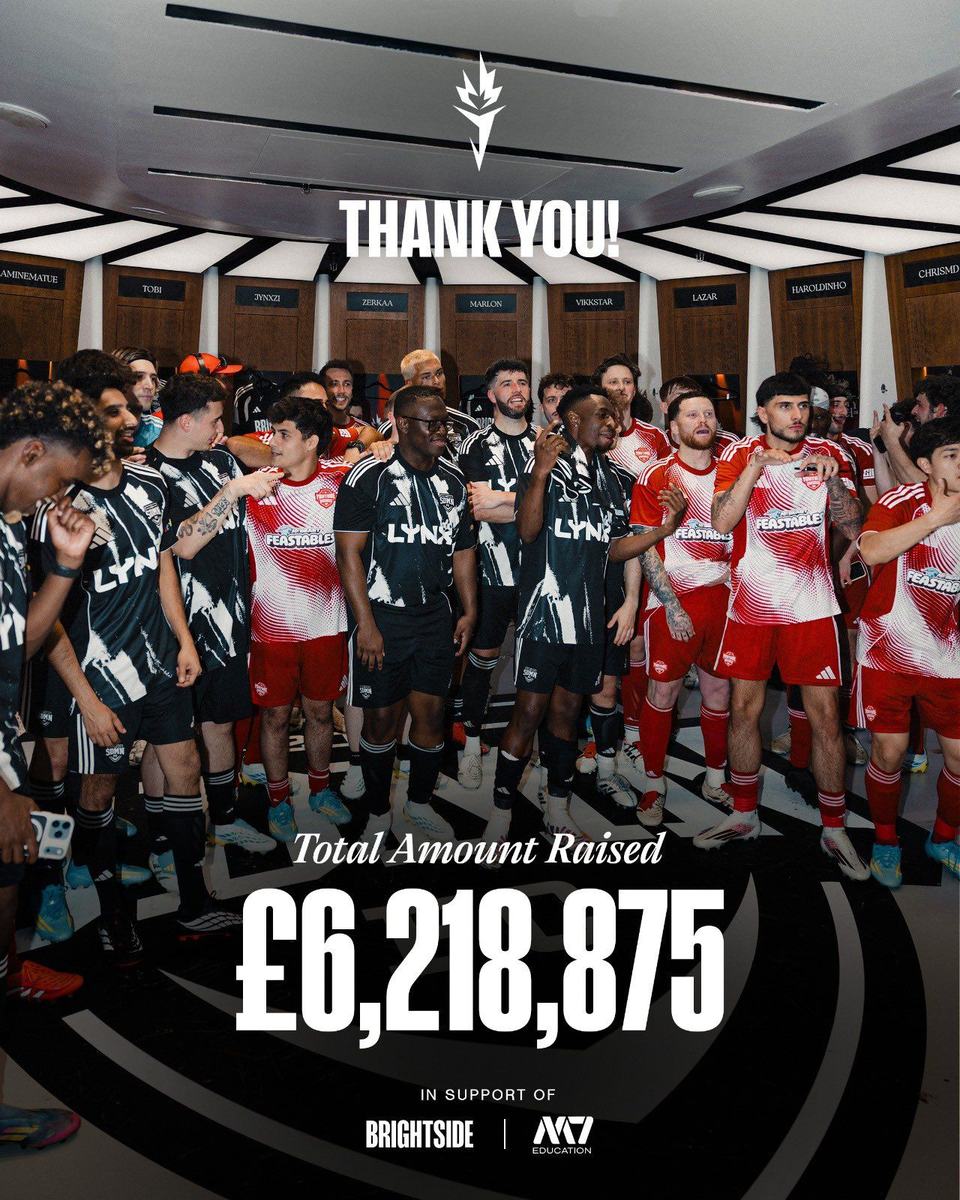
2.2 million people watched a football match live on YouTube this weekend. The Sidemen Charity Match sold out Wembley in two and a half hours and raised £6.2 million for charity.
Seven lads who started making GTA videos in a bedroom in 2013.
We've been arguing for a decade about whether streaming is the new TV. Netflix vs. ITV. BVOD vs. linear. Reach, reach, reach. We were measuring the wrong thing.
Saturday night TV is dying. Moments aren't.
TV was never just a screen. It was a ritual. A shared moment, at a shared time, with people you knew were watching the same thing.
That's what we're mourning when we say Saturday night TV is dead. It is. Strictly pulls a fraction of what it used to. The X Factor is gone. Most primetime entertainment drifts past without anyone talking about it on Monday.
But the ritual didn't die. It moved.
We'd never buy I'm A Celeb without knowing it was I'm A Celeb. We buy YouTube that way every day.
There was a time when the industry planned all TV by programme. Planners argued for days over whether a brand should sit in Bake Off or I'm A Celeb. They cared which drama the ad sat inside. The environment was half the media buy.
Then we took that same audience to YouTube and threw the playbook away. CPV target, 15-second cut-down, 18-34s who like football, done.
We'd never plan ITV that way. Nobody would sign it off yet we do it on the biggest channel in the world and call it efficient.
Look at O2's recent work with the Sidemen. A Hide & Seek episode built around satellite coverage in remote places, where the creator's format, the media environment, and the creative idea were the same thing.
That's not sponsorship. That's the creative use of media. A fit so natural it doesn't feel like advertising, it feels like a thing the audience already wanted to watch.
The moments didn't go anywhere. The communities are bigger than ever. Creators are making things broadcasters can't.
The creators the industry keeps calling "the future of media" aren't just making content. They've built rituals, Sidemen Sunday being the best example.
The audience treat these uploads like appointments. That's not a programming model. That's the thing broadcasters spent fifty years building and never worked out how to rebuild.
Plan YouTube like we used to plan TV. Pick your programmes. Pick your communities. Make the work native to where it's going. Stop treating the most-watched platform in the world like display...