 Cameron Armstrong
90% of you won't get past the first three lines of this post.
It's no secret that we have shorter attention spans than ever before.
Since the year 2000, the average attention span of a person has dropped from 12 seconds to 8 seconds, that's 1 second less than a goldfish...
This is the result of having constant, unfettered access to the world’s information, content, and communications.
Time and money are scarce resources, and companies are in a battle to capture both.
As more content vies for our attention, everything is becoming gamified.
We see this in products today: key features like leaderboards and streaks are built around gamification principles.
Strava uses leaderboards to encourage its users to work out; Duolingo uses streaks (popularised by Snapchat to gamify messaging) to encourage users to complete language-learning exercises every day.
Even driving an Uber can feel like a game: Uber uses “quests” to nudge drivers to work longer hours, and Lyft offers “streak bonuses” for drivers who accept back-to-back rides.
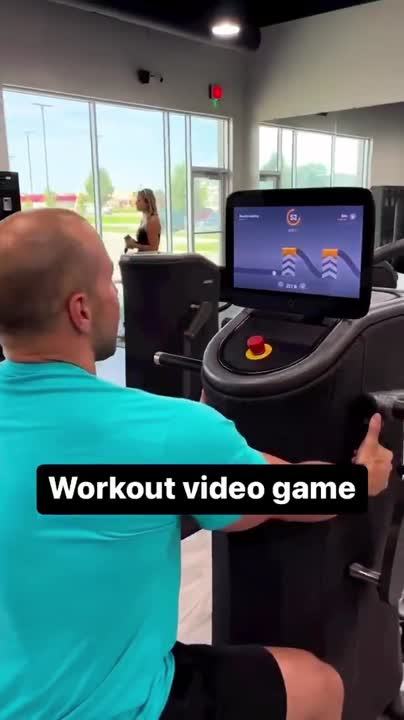
I was blown away by a hotel gym over the weekend, it had a smart screen on the cable machines which told me the weight I was using, the number of reps, sets and if I was going too fast or too slow, it didn't just give me real-time feedback, it gamified going to the gym.
We'll continue to see this in more and more areas.
50% of Brits dislike Ironing, perhaps AR or VR could gamify this.
When we play games, our brains release dopamine, a natural chemical that makes us feel good.
Gamification works because it makes the experience more enjoyable.
Don't get me wrong, I hate that this is the world we're moving to.
But if you can't beat them, you should probably join them, at least until there's a new game to play.
In case you forgot, this post was about shortening attention spans & the gamification of everything...