 Cameron Armstrong
Victoria Beckham wanted to be more famous than Persil.
Not Madonna. Not Coca-Cola. Persil.
Jeremy Bullmore uses this brilliant analogy to expose a truth most marketers would rather ignore: brands aren't owned by companies. They're owned by people.
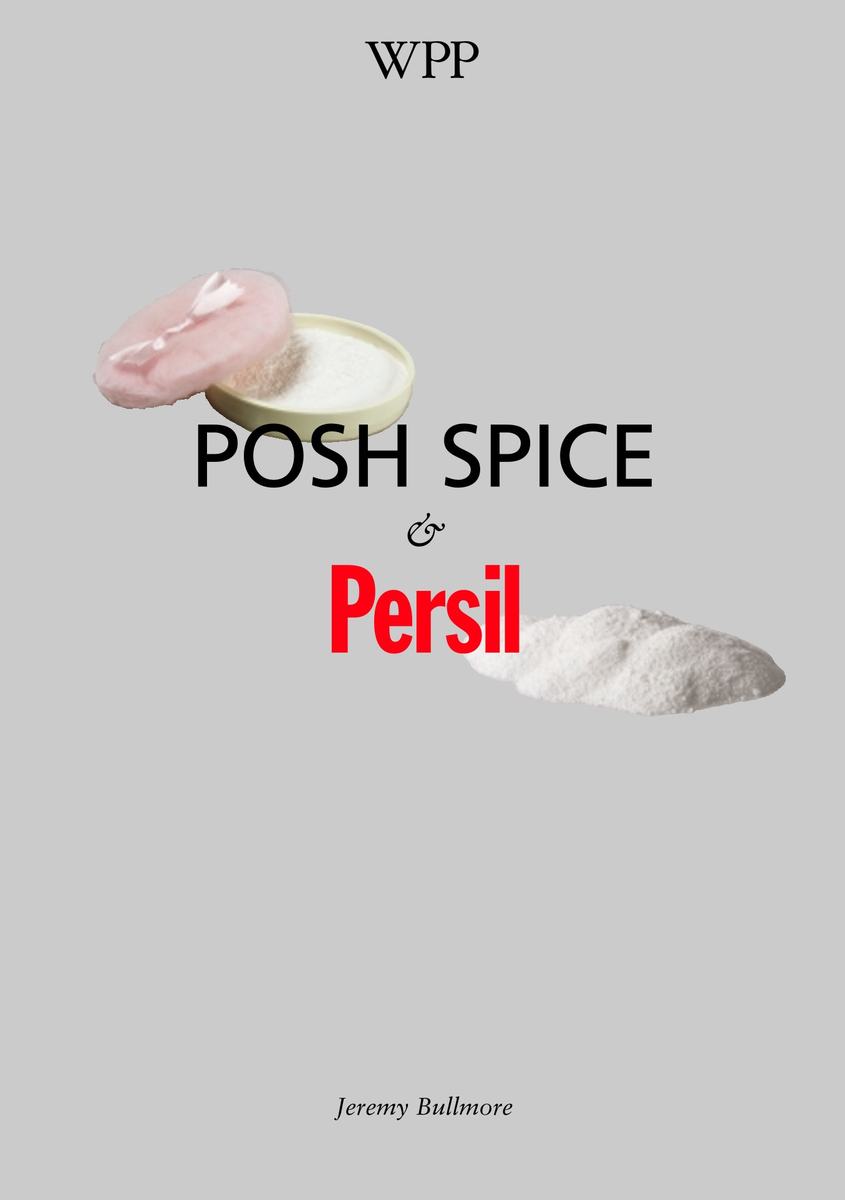
I stumbled across "Posh Spice & Persil: Both big brands; both alive; and both belonging to the public" – a 2001 PDF that was too good not to share.
Legally, you might own the trademark. But a real brand lives in millions of minds, each holding their own version.
Like political opinions or celebrity reputations – opinions can be wildly different, constantly evolving, impossible to control.
And that's why many boards avoid brand strategy.
ROI? Measurable. Margins? Quantifiable. Brand value? Well... that hurts to think about.
We've built an entire industry around measuring what doesn't matter because it's easier than understanding what does. Click rates. View times. Engagement metrics. All while the real currency, fame, gets ignored.
Because fame is what separates Persil from store-brand detergent. BMW from just another car. Your brand from the competition.
Fame isn't just visibility. It's cultural embedding. It's when non-customers know you as well as customers do. When you transcend your category to become part of the conversation.
The brands that get this don't chase precision targeting or perfect attribution. They chase universal recognition. They understand that brand images are messy, subjective, personal – and that's exactly what makes them powerful.
Stop looking for brand value in spreadsheets. You'll find it where it's always been.
In people's minds.
Where you don't control it. Can't measure it precisely. And definitely don't own it.
But where, if you're brave enough to build it, it becomes the only moat that actually matters.
The tech changes. The principles don't.