 Cameron Armstrong
Laughing Less, Worrying More: The Mental Health Challenge in the Digital Age and the Advertising Industry's Role
Is humour disappearing?
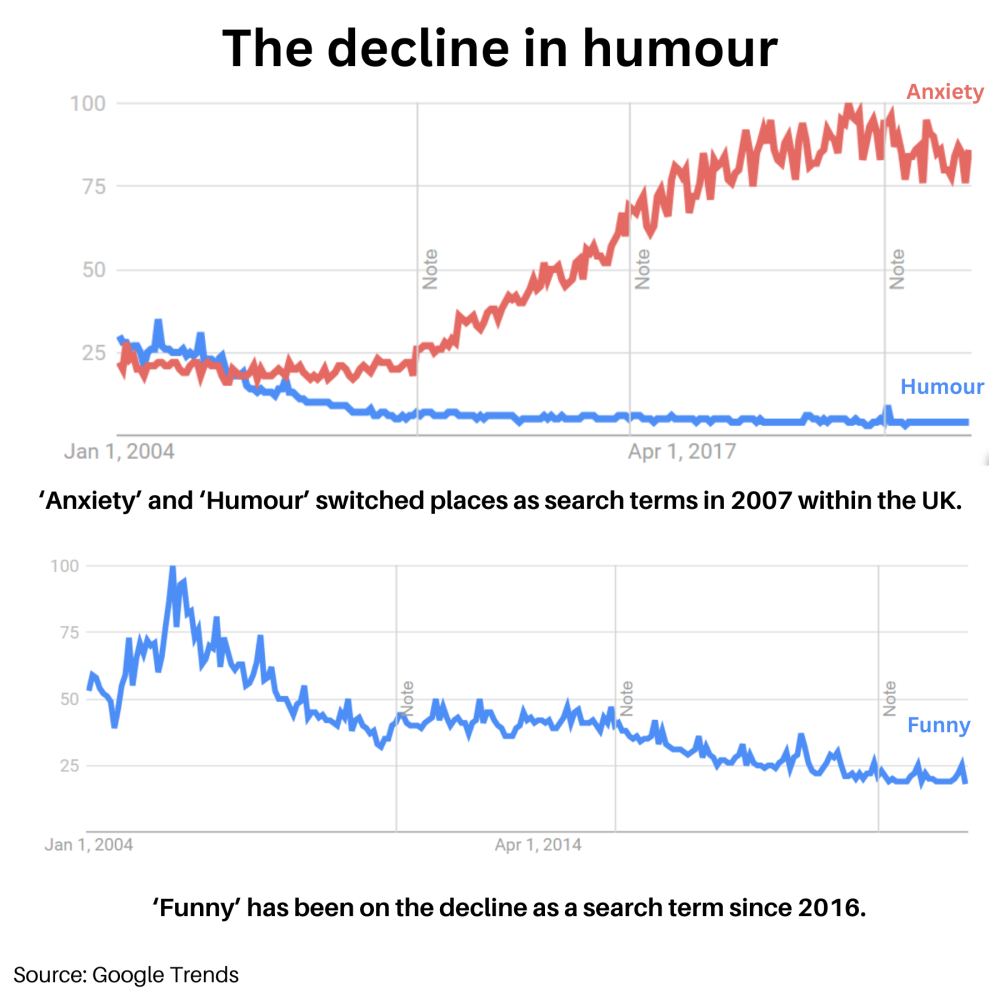
In the last 20 years, our society has evolved to a point where anxiety is more prominent than humour.
Google Trends reveals that the search terms ‘anxiety’ and ‘humour’ switched in popularity in 2007. The term ‘funny’ has also been on a clear downward trajectory since 2016.
We need to live in a world with more laughter, not less. As Mark Twain once said, a day without laughter is a day wasted.
Another interesting trend is that 2024 will be the year where Gen Z overtake Baby Boomers in full-time work.
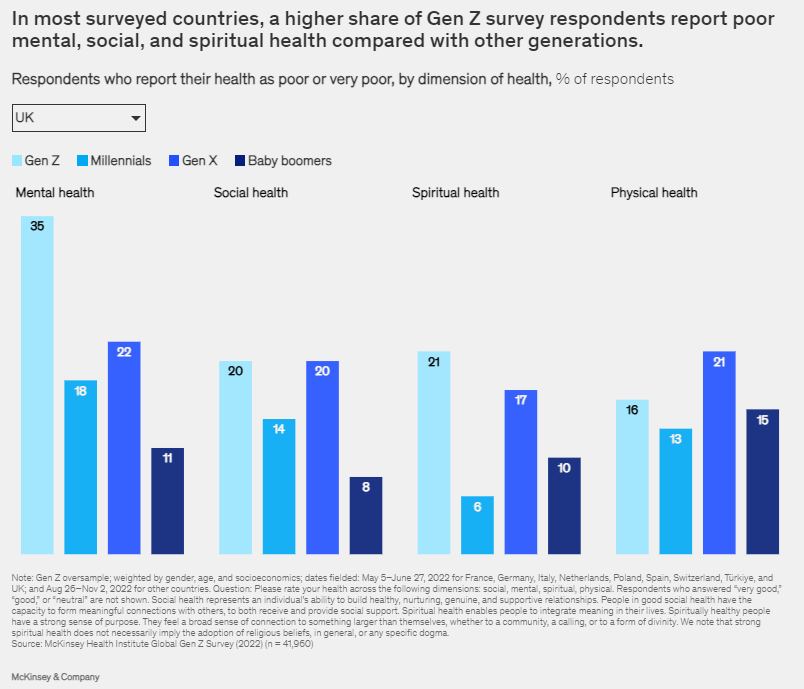
This will bring the youth mental health crisis to the workplace, with 35% of Gen Z in the UK reporting their mental health as poor according to a McKinsey study, significantly higher than previous generations.
There’s a clear rise in mental health issues among young people.
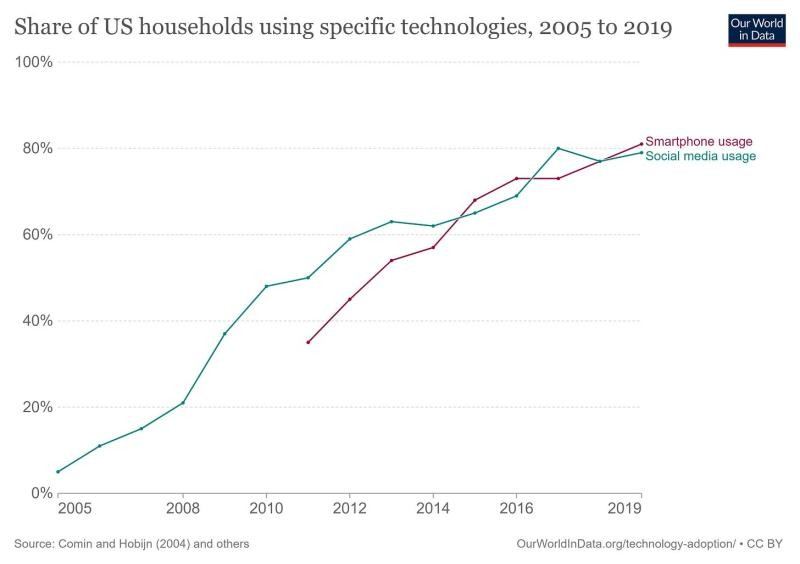
While the cause of this is not certain, there is one undeniable change, the rise of smartphones and social media. And when looking at the charts showing digital usage and the rise in mental health, there is an almost perfect correlation.
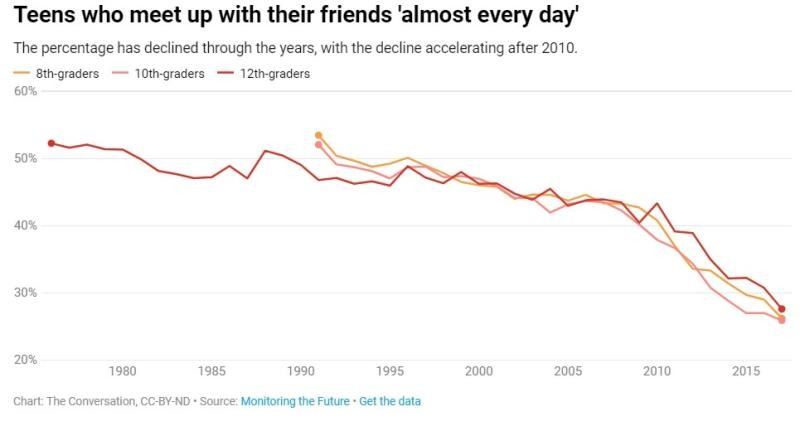
With teenagers spending as much as 9 hours a day on average with screens, in-person interaction has fallen off a cliff.
Today’s teens hold fewer paid jobs, homework time is either unchanged or down since the 1990s, and time spent on extracurricular activities is about the same.
Yet they’re spending less time with their friends in person.
In the late 1970s, 52% of 17-18 year olds got together with their friends almost every day. By 2017, only 28% did. The drop is especially noticeable after 2010.
Recommended by LinkedIn



As someone within the Gen Z bracket, I think my age group were one of the last where we didn’t grow up with Social Media as a prominent part of day to day life, we wouldn’t scroll TikTok for hours on end and instead go outside with £5 lasting the full day. Looking at these stats, I am genuinely grateful we grew up in a world where TikTok wasn't a thing & Instagram had a fraction of the users it does today.
While these trends are more prevalent among young people, it's important to remember that nobody is immune to mental health issues.
As advertisers, we have a unique role in society where we can shape perceptions and provoke change. Impacting consumers' behaviours and habits, hopefully, for the better, bringing positivity into people's lives through all kinds of touch points and experiences.
Yet maybe we need to look closer to home before we’re looking to positively impact the consumer's thoughts and actions.
A 2020 Study, ‘The Aspiration Window’, shows that in relation to the general public, those working in advertising and marketing are more likely to experience higher levels of anxiety due to the high demands and pressure of their job.
This isn’t a stat to be proud of, and ultimately one we collectively need the whole industry to work on changing before we can even think about making a meaningful difference in the way we influence consumers.
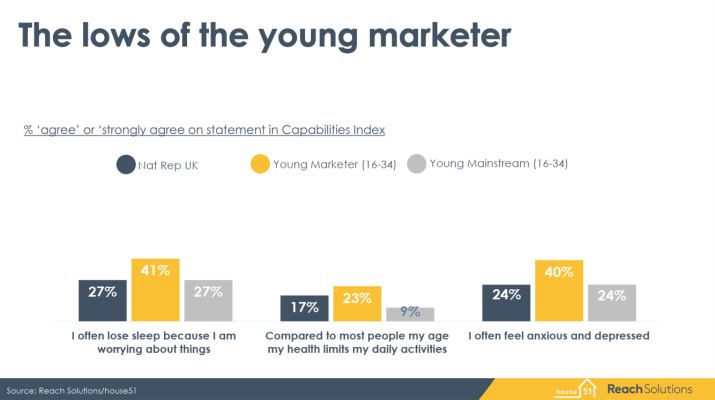
We need to see positive shifts in mental health, both across the general public and for those in the advertising industry.
As an industry, we need to create environments where mental health is a priority, not a stigma. It’s something we’ve got a lot better with, but there’s still work to be done.
Too often I hear stories of people working 16-hour days, undervalued and overworked. It's one thing for a company to mention mental health as a tick-box exercise, it's another to champion it.
We need to make sure this is an industry people are proud to be a part of, and if we really want to drive change for good through our advertising, it’s important the people working on it, feel they’re in a place where they can do this.
If we don’t tackle this problem as an industry, people will continue to leave it. To truly encourage people to join our industry and want to be a part of having a positive impact on culture, we need to first look within.