 Cameron Armstrong
From information asymmetry to imagination asymmetry
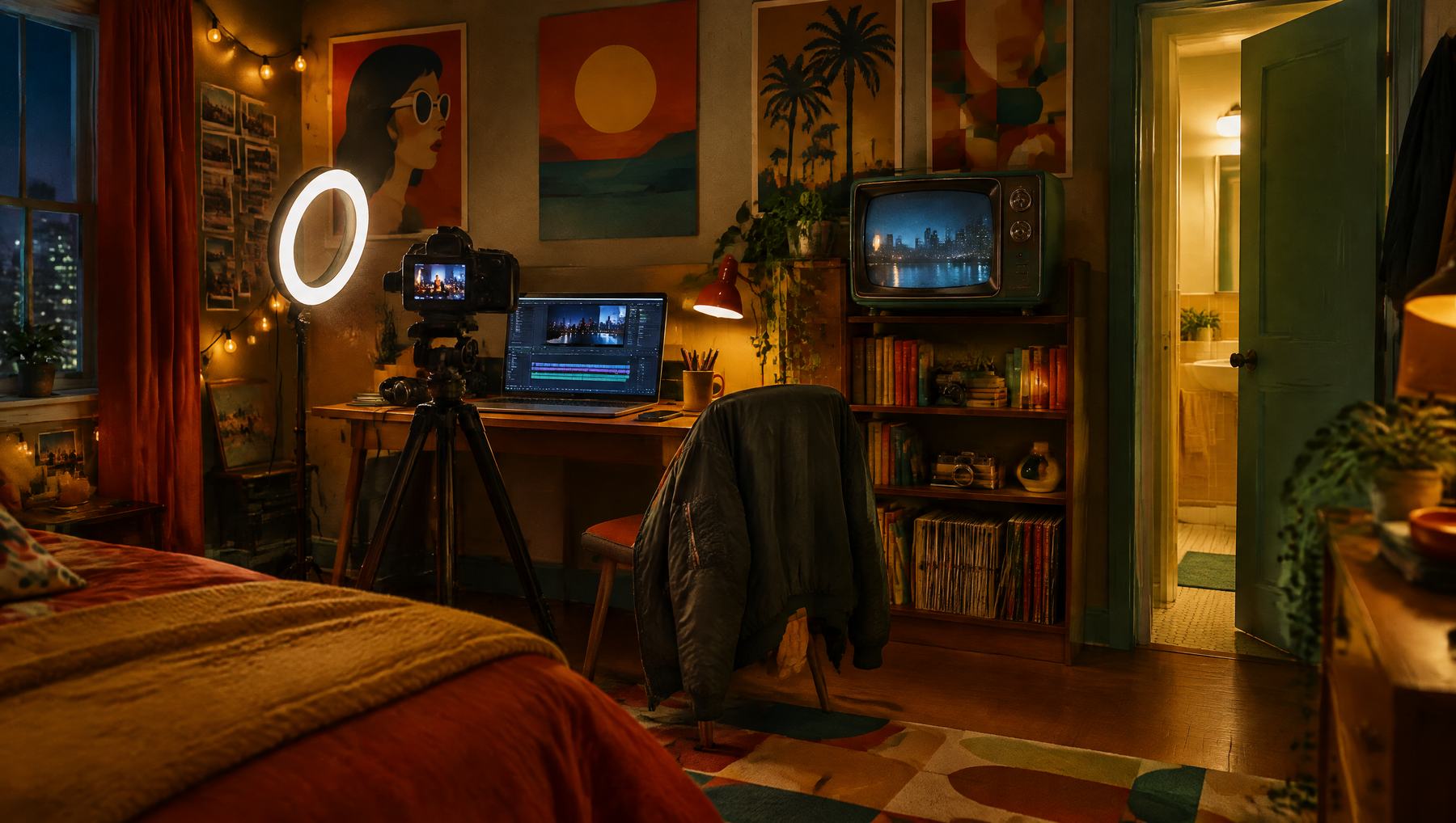
I've been telling people about this video I've made for weeks. Now you can finally see it.
I started making YouTube videos in my bedroom when I was 10, back then, everything I imagined had to fit inside that room.
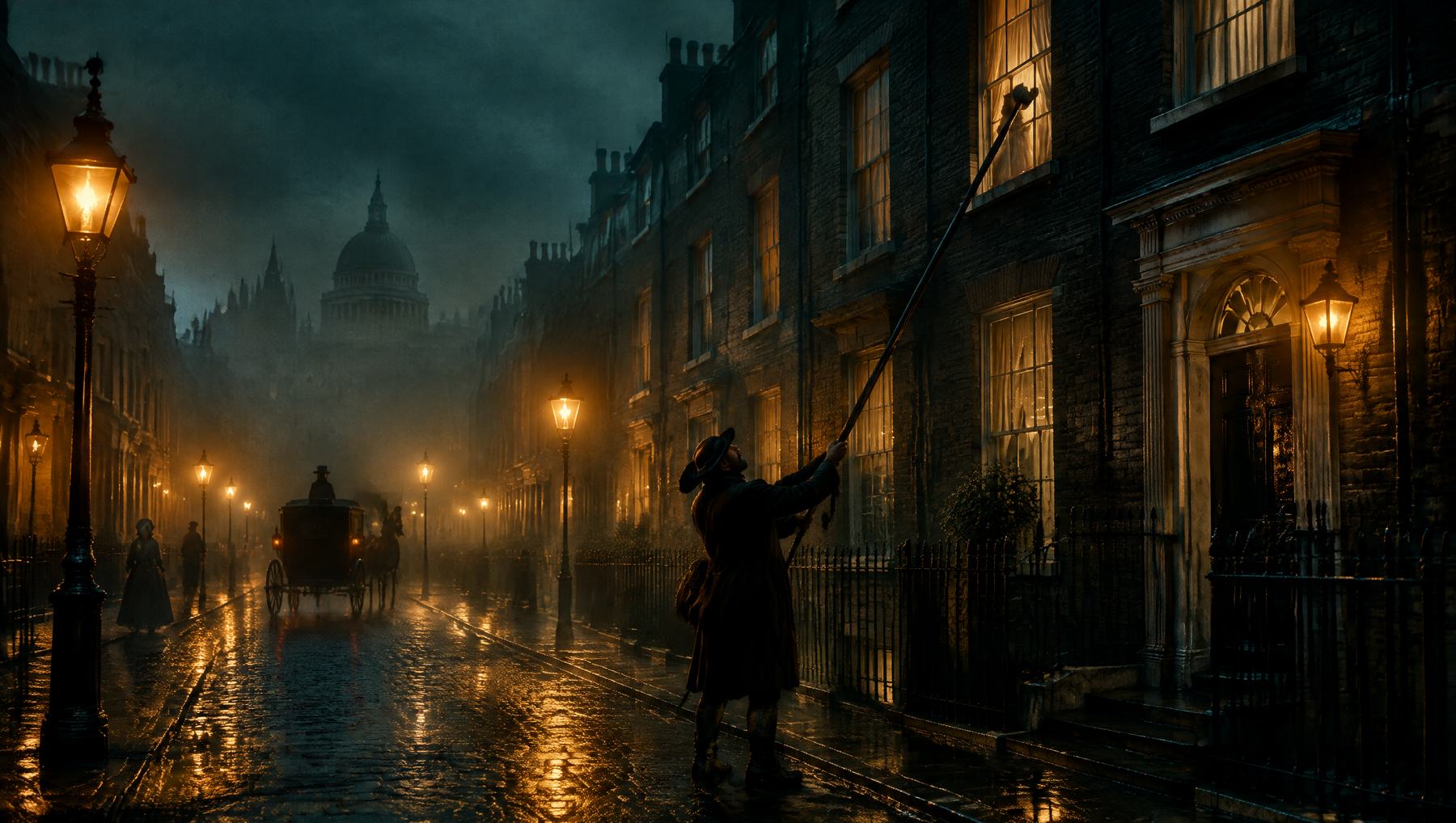
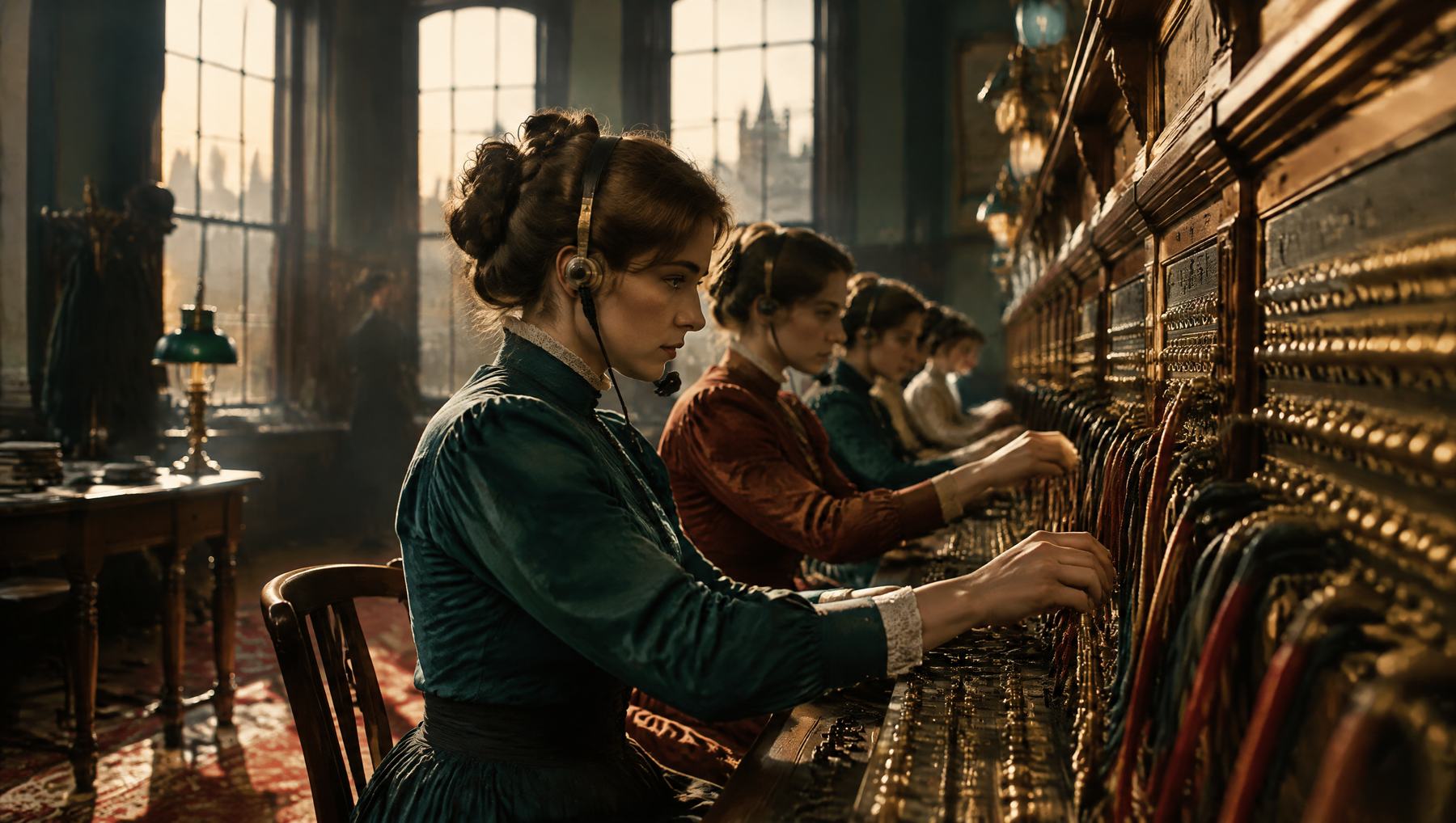
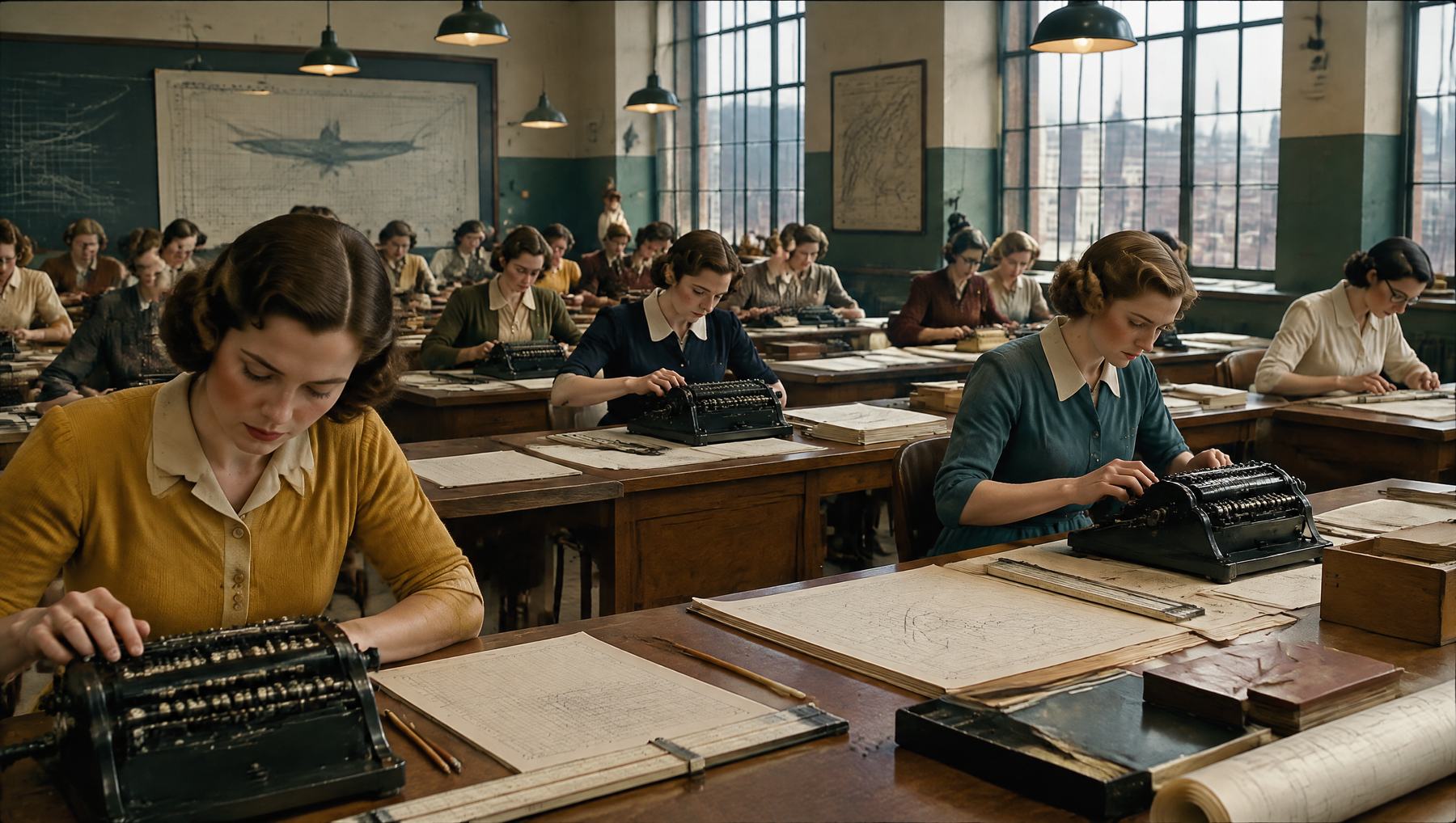
Fourteen years later, I'm still filming in my room. Except now it's a gaslit street in 1807, a telephone exchange in 1878 and a NASA computing room in 1935, oh and the period coat is actually a bomber jacket…
Photography wasn't art. Auto-tune wasn't real music. Colour grading wasn't real cinema. Then CGI arrived and we had the whole argument again.
The idea for this video came from a panel I spoke on at the Science Museum. Then came the research; finding images of what these jobs actually looked like; a mood board; a script; a storyboard for every shot.
Then I filmed it. The knocker-upper's stick was a roll of kitchen paper. The door I open leads to my bathroom.
Then roughly 52 rounds of feedback before I was happy with the edit from Claude.
That isn't generating, I'd argue it's directing. I spent over 3 days making this, yet some will still call it AI Slop.
I'm not pretending this is perfect. It was a test of what the technology can do, not an attempt at the best video ever made. But one things for certain, I'll be making a lot more of these.
The playing field is being opened to everyone. A year ago, putting yourself inside another century, or next to a CGI character, needed a studio budget. Now it needs an idea and a few days max.
We're moving from information asymmetry to imagination asymmetry.
For decades the advantage went to whoever knew more, it's now about who's willing to dream up new concepts which weren't possible before.
One bedroom, four centuries
The question shouldn't be whether AI can make art, it's whether you have anything worth making.