 Cameron Armstrong
A few hundred years ago, most companies were workshops of a dozen people.
Now we have multinationals with hundreds of thousands. The communication infrastructure, human brains connected by meetings and messages, buckles under exponential load.
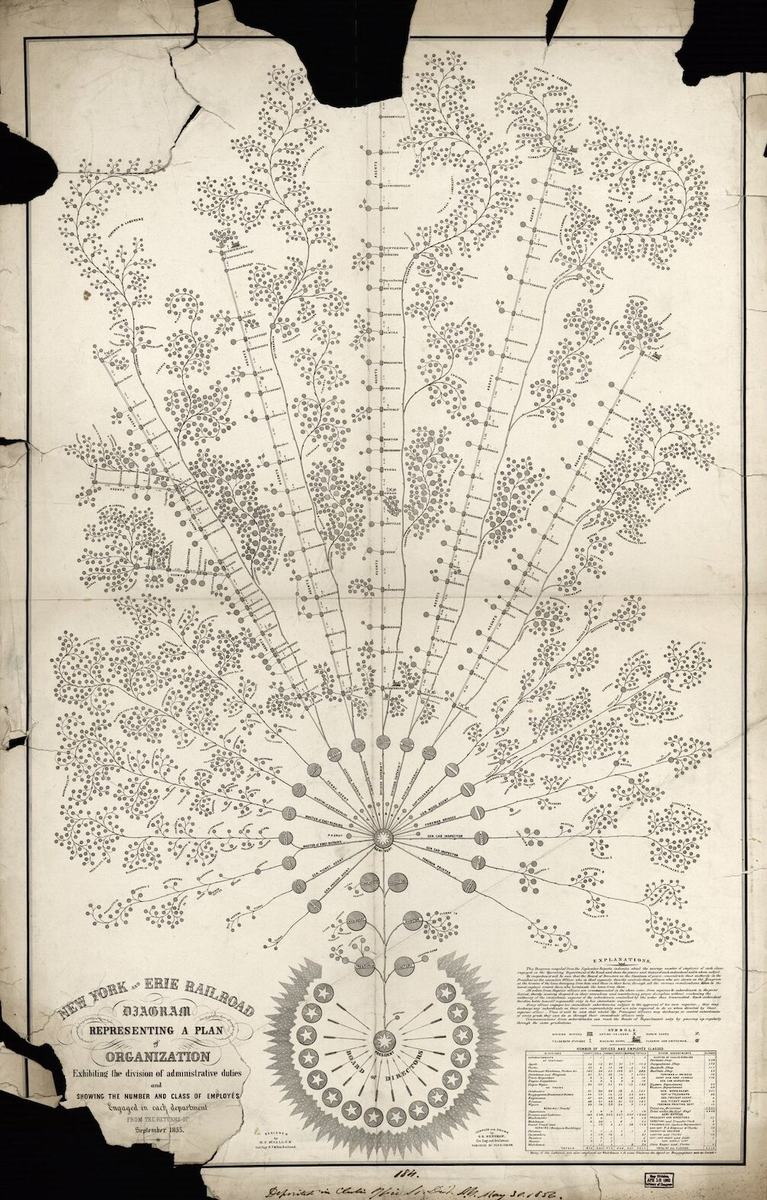
We've tried to solve this with hierarchy, process, and documentation. But we've been solving an industrial-scale problem with human-scale tools.
Like building a skyscraper with wood.
AI is steel for organisations.
It can maintain context across workflows. Surface decisions when needed without the noise. Handle the coordination that currently consumes half our working hours.
Human communication no longer has to be the load-bearing wall.
The weekly two-hour alignment meeting becomes a five-minute async review. The executive decision that required three levels of approval before it even goes to America, happens in minutes. Companies can scale, truly scale, without the bottlenecks we've accepted as inevitable.
And scaling isn't just about headcount anymore. What one person can do now is what it would have taken a team of five a year ago.
Agents are already handling the repetitive work and this is just the beginning.
The real gains are limited only by imagination and inertia.
Running your company on an FTE model is not sufficient for the new world. The metric that matters is outcomes.
The companies still clinging to industrial-era org charts will wonder why they can't keep up. The ones rethinking structure around AI will wonder why everyone else is moving so slowly.
The tools have changed. The question is whether your operating model will change with them.