 Cameron Armstrong
For the past 20 years, the internet as we know it has been almost entirely defined and…
For the past 20 years, the internet as we know it has been almost entirely defined and controlled by Google.
The company brings in hundreds of billions of dollars annually, profits that skew Google’s choices and priorities.
The reality is, that the decisions Google and a handful of other tech platforms make, affect us all on a daily basis, distorting how we perceive the world in ways we can hardly begin to imagine or understand.
As Google’s founders wrote in 1997: “We expect that advertising-funded search engines will be inherently biased towards the advertisers and away from the needs of the consumers.”
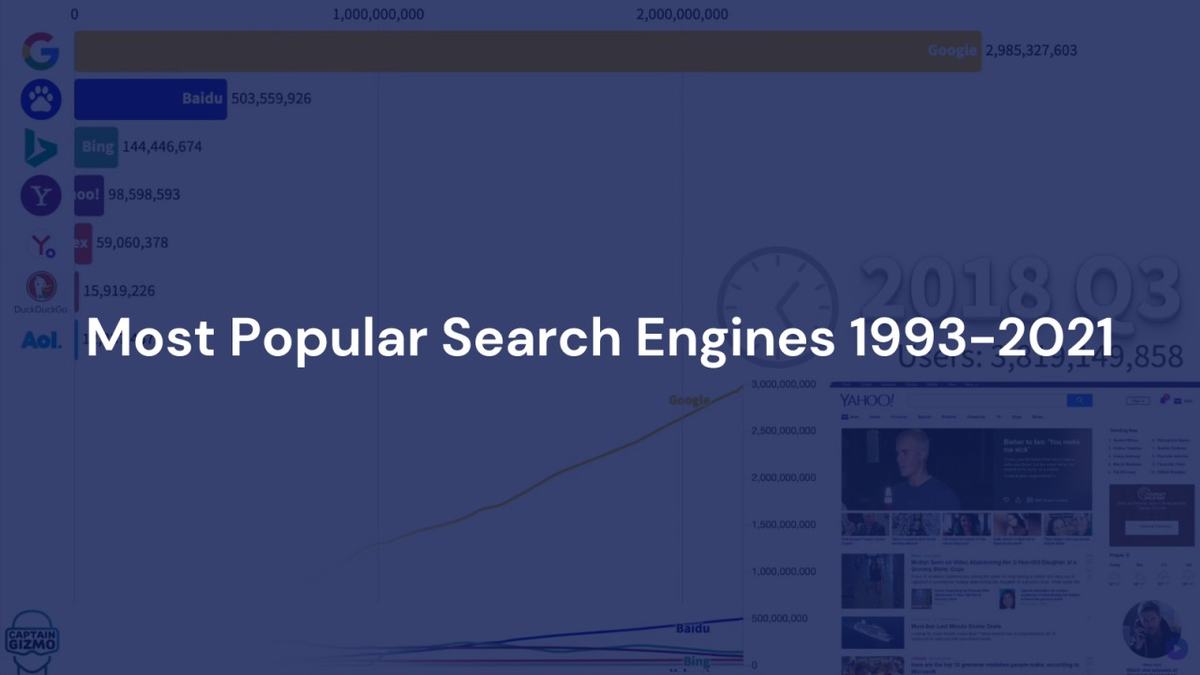
The outcome of Google's antitrust case yesterday didn’t teach us anything new. Google controls nearly 90% of the general search market.
Yes as advertisers we may be annoyed that this has led to inflated advertising prices, impacting market fairness and consumer choice.
However, what this also shows is that when one company dominates, innovation dies.
Monopolies breed complacency, and it's the consumers who suffer.
A recent year-long study by German researchers looked into just how bad search engines like Google have become.
They concluded that Google search has been taken over by low-quality SEO spam in the form of mass-produced commercial content.
A noticeable number of social media users are sharing their observation that search engines are becoming less and less capable of finding genuine and useful content satisfying their information needs.
The links that pop up when people go looking for answers online are in the words of the consumers; “absolutely unusable”; “garbage”; and “a nightmare” because “a lot of the content doesn’t feel authentic.”
This may be expected when you have a trillion-dollar corporation with a 90% market share.
Fascinatingly, Danny Sullivan who was previously described as “the closest approximation to an umpire in the search world,” published “A deep look at Google’s biggest-ever search quality crisis” in 2017.
Just a few months later he took a job as Google’s public liaison for Search, taking his voice out of the conversion.
The conclusion is clear. Anti-competitive practices stifle innovation.
By securing default status, Google hindered other search engines from gaining users and data, essential for competing and innovating.
This post isn’t to join in on the bash against Google, although I may have unintentionally done so.
It’s in the hope, that as we look to build the internet of tomorrow, we don’t lose sight of what matters most… the consumer.
Our goal is not to build a better world for the algorithms.
It's to build a better world for the people.
We can't forget that.